
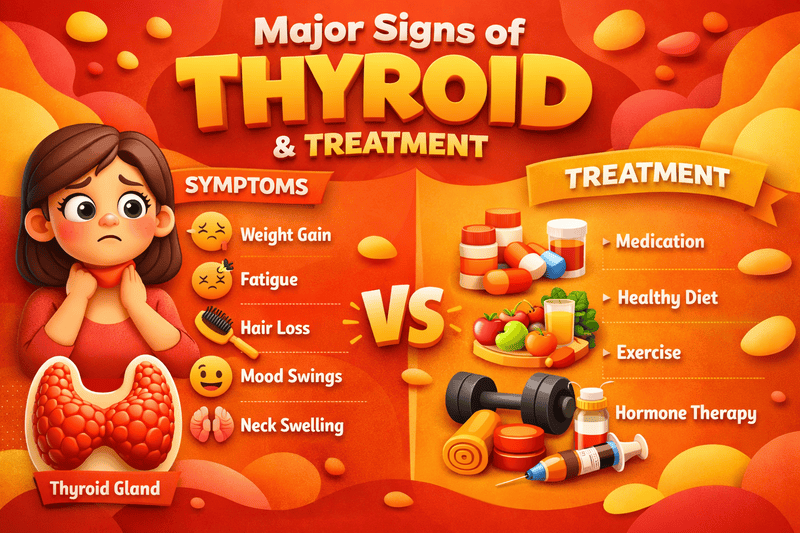
You usually do not notice your thyroid at all. Most people don’t. It sits quietly in your neck, doing its job every day without asking for attention. But when it starts misbehaving, your entire body feels different. Not suddenly. Not dramatically. Slowly. Bit by bit. You wake up tired even after sleeping well. Your clothes fit differently. Your moods shift without warning. Some days you feel cold when others don’t. Other days, your heart races for no clear reason. You may brush it off as stress, work pressure, or age. That is how thyroid problems often go unnoticed.
If you live in Delhi or NCR, you are not alone. Thyroid disorders are very common here. The good part is that diagnosis and treatment are easily available if you act early. The article by one of the top thyroid specialist in Delhi NCR share key insights.
What is Thyroid? (In Simple Terms)
Your thyroid is a small gland located at the front of your neck. Its job is to control how fast or slow your body functions. It affects how you burn energy, how your heart beats, how warm you feel, and even how clearly you think.
Many doctors explain thyroid in Hindi so patients can understand it without fear or confusion. You do not need medical knowledge to understand when something feels wrong. Your body gives signals. You just need to listen.
Types of Thyroid Conditions You May Face
Doctors usually talk about a few common types of thyroid problems. Knowing these helps you understand your symptoms better.
Hypothyroidism (Low Thyroid)
This happens when your thyroid produces less hormone than needed. Everything in your body slows down.
You may notice weight gain even when you are eating the same food. Your skin may become dry. Hair fall becomes common. You feel sleepy, dull, and low on motivation. Many people think this is just lifestyle fatigue.
Hyperthyroidism (Overactive Thyroid)
Here, the thyroid works too fast. Your body feels like it is always running.
You may lose weight without trying. Your heartbeat may feel fast or irregular. You sweat more than usual. Anxiety, restlessness, and poor sleep are common.
Thyroid Swelling or Nodules
Sometimes, the thyroid increases in size or develops lumps. You may notice a swelling in the neck or discomfort while swallowing. Hormone levels may still be normal, which is why testing matters.
Common Signs of Thyroid Problems You Should Notice Early
People often search online for signs of thyroid problems only after symptoms worsen. You should notice them earlier.
Some early signals include:
- Feeling tired most days, without a clear reason
- Sudden weight changes
- Mood swings or irritation
- Hair thinning or excessive hair fall
- Poor concentration
- Regular feeling of Bloating in stomach
These signs do not appear all at once. They come quietly. Many patients say, “I felt something was off, but I couldn’t explain it.”
Why Thyroid Issues Are Often Missed?
Thyroid symptoms copy other problems. Fatigue looks like stress. Weight gain looks like poor diet. Mood changes look like anxiety. That is why thyroid disorders are often diagnosed late. Women are affected more often, especially during pregnancy, after childbirth, or near menopause. Hormonal changes make thyroid imbalance more noticeable.
How Thyroid Is Diagnosed Properly?
Symptoms raise suspicion. Blood tests confirm the problem.
The most common investigation is a thyroid profile test in Delhi. It checks hormone levels and gives doctors a clear picture. It is a simple blood test and does not require special preparation.
Based on results, your doctor decides whether treatment is needed immediately or if observation is enough.
If you search online for a thyroid doctor near me, choose one who explains your reports instead of just prescribing medicines.
Thyroid Reports & Results
One abnormal value does not mean you need lifelong medication. This is important.
Hormone levels can fluctuate due to stress, illness, or pregnancy. A good doctor looks at symptoms, reports, and medical history together. That is why patients trust the Best thyroid specialist in Delhi rather than random online advice.
Thyroid Treatment in Delhi at My Doctors Hub Clinic: What Really Happens
Thyroid treatment is not complicated, but it must be personalized.
For hypothyroidism, treatment usually involves a daily tablet that replaces missing hormone. The dose is adjusted slowly. Many people feel better within weeks.
For hyperthyroidism, medicines are used to control hormone production. In selected cases, other treatments are advised, but surgery is rare.
With proper thyroid treatment in Delhi, most patients live normal, active lives.
The Role of Diet in Thyroid Health
Medicine helps, but food supports healing.
A balanced thyroid diet focuses on regular meals and adequate nutrition. Extreme diets do more harm than good.
Foods that generally help include home-cooked meals, vegetables, fruits, and enough protein.
At the same time, there are certain thyroid foods to avoid, especially in excess. Highly processed food, too much soy, and junk food can interfere with hormone balance. Your doctor or dietician can guide you better.
Daily Habits That Make a Difference.
Small lifestyle changes help stabilize thyroid levels.
You should try to:
- Sleep on time
- Eat at regular hours
- Reduce stress gradually
- Stay physically active
Many patients feel improvement even before medicine changes, just by fixing routines.
Choosing the Right Doctor in Delhi NCR
If you live or work in NCR, access to care is not a problem.
Patients living near corporate areas often consult a Thyroid doctor in Gurgaon for convenience. A well-known Clinic in Gurgaon usually provides testing, consultation, and follow-ups in one place.
Those living in West Delhi may prefer a Thyroid doctor in Dwarka. A reliable Clinic in Dwarka offers long-term monitoring, which matters more than one-time visits.
The goal is not just treatment, but continuity of care.
Why Early Thyroid Treatment in Delhi changes the entire game?
Untreated thyroid problems can affect the heart, bones, fertility, and mental health. Many complications happen slowly, which is why people underestimate the condition.
When you start treatment early, dosage remains low and recovery is smoother. Delay only makes management harder.
Common Myths about thyroid You Should Ignore
People often believe thyroid means lifelong weakness. That is not true.
- Thyroid can be controlled
- Most patients live normally
- Pregnancy is safe with monitoring
- Weight can be managed
The condition is common, not dangerous, when treated properly.
When You Should Not Delay a Doctor Visit
You should consult a doctor if:
- Symptoms last more than a month
- You have family history
- You are planning pregnancy
- Your reports keep changing
Your body gives signals long before serious problems begin. If you are feeling unusually tired, gaining or losing weight without reason, or struggling with mood changes, do not ignore it. Timely testing and proper guidance make thyroid management simple and effective
For accurate diagnosis, personalised treatment and trusted care, you can consult specialists at Doctor’s Hub. Our experienced team focuses on long-term thyroid control not just prescriptions. Listening to your body today saves you from bigger problems tomorrow.